Some journeys are about landscapes. This one was about contrasts. When I designed this route through Japan and South Korea, I wanted to experience two neighbouring countries that share so much history, yet feel so different. Japan, with its calm precision and timeless traditions. South Korea, with its bold energy and warm-hearted spirit. What I found was a journey of temples and skyscrapers, quiet gardens and buzzing markets, and moments that touched me more deeply than I had expected.
My journey began in Tokyo, a city that seems almost impossible to grasp. On my first evening, I stood at the Shibuya crossing as the lights turned green and hundreds of people flowed across the street from every direction, somehow never colliding. Later that night, I found myself in the tiny lantern-lit alleys of Shinjuku, where small bars seat no more than six guests and the smell of grilled yakitori fills the air. Yet Tokyo also has a quiet side. Early the next morning, I walked through the forest surrounding Meiji Shrine, and the noise of the city simply disappeared. At Senso-ji in Asakusa, I watched incense drift through the morning light as locals stopped to pray before work. That balance between chaos and calm is what makes Tokyo so fascinating.
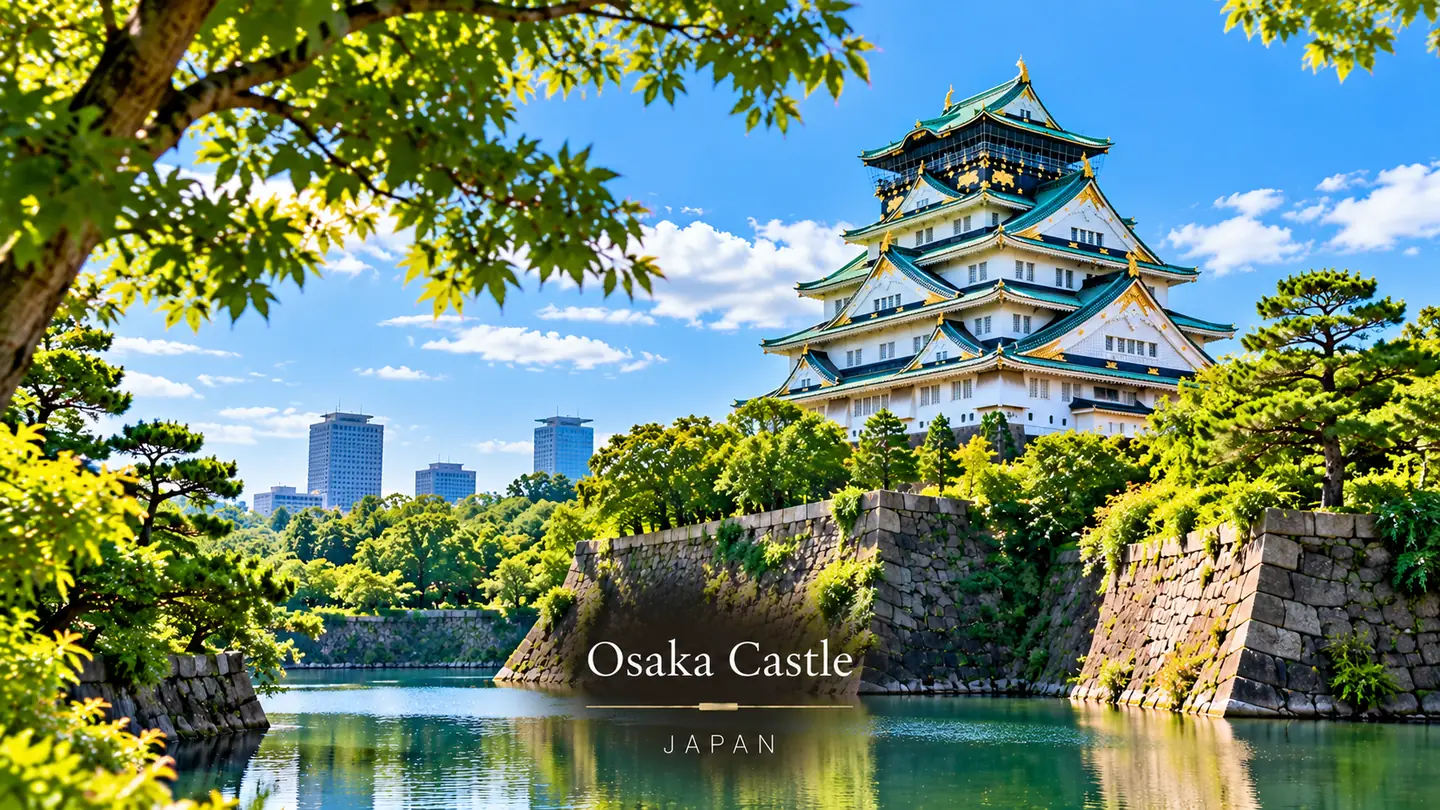
The shinkansen carried me south at nearly 300 kilometres an hour, so smoothly that my coffee barely moved. Osaka welcomed me with a completely different energy: louder, friendlier and unapologetically focused on food. In the evening, Dotonbori exploded in neon, its canal reflecting giant illuminated signs, while street vendors served sizzling takoyaki and okonomiyaki straight from the grill. The people of Osaka have a saying that you should eat until you drop, and I did my very best to honour it. By day, Osaka Castle rose elegantly above its moats and gardens, a reminder of the city’s powerful past.
Just a short train ride away, Kyoto felt like stepping back in time. I set my alarm early to walk through the thousands of vermilion torii gates of Fushimi Inari before the crowds arrived, and it was worth every minute of lost sleep. The path winds up the mountain through gate after gate, and the higher you climb, the quieter it becomes. In Arashiyama, I walked through the bamboo forest, the tall green stalks creaking softly in the wind. As evening fell, I wandered through the old streets of Gion, with its wooden teahouses and lanterns glowing in the dusk. For a brief moment, I caught a glimpse of a geiko hurrying to an appointment, and the whole street seemed to hold its breath.
Hiroshima was the most moving part of my journey in Japan. Standing in front of the A-Bomb Dome, its skeletal frame preserved exactly as it was left in 1945, I felt the weight of history in a way no book could ever convey. The Peace Memorial Park and museum are powerful and confronting, yet the city around them is full of life, hope and warmth. That contrast stayed with me. The next day, a short ferry ride brought me to Miyajima, where the famous red torii gate of Itsukushima Shrine rises from the sea and gentle deer wander freely through the village. Watching the sunset over the gate was the perfect, peaceful farewell to Japan.

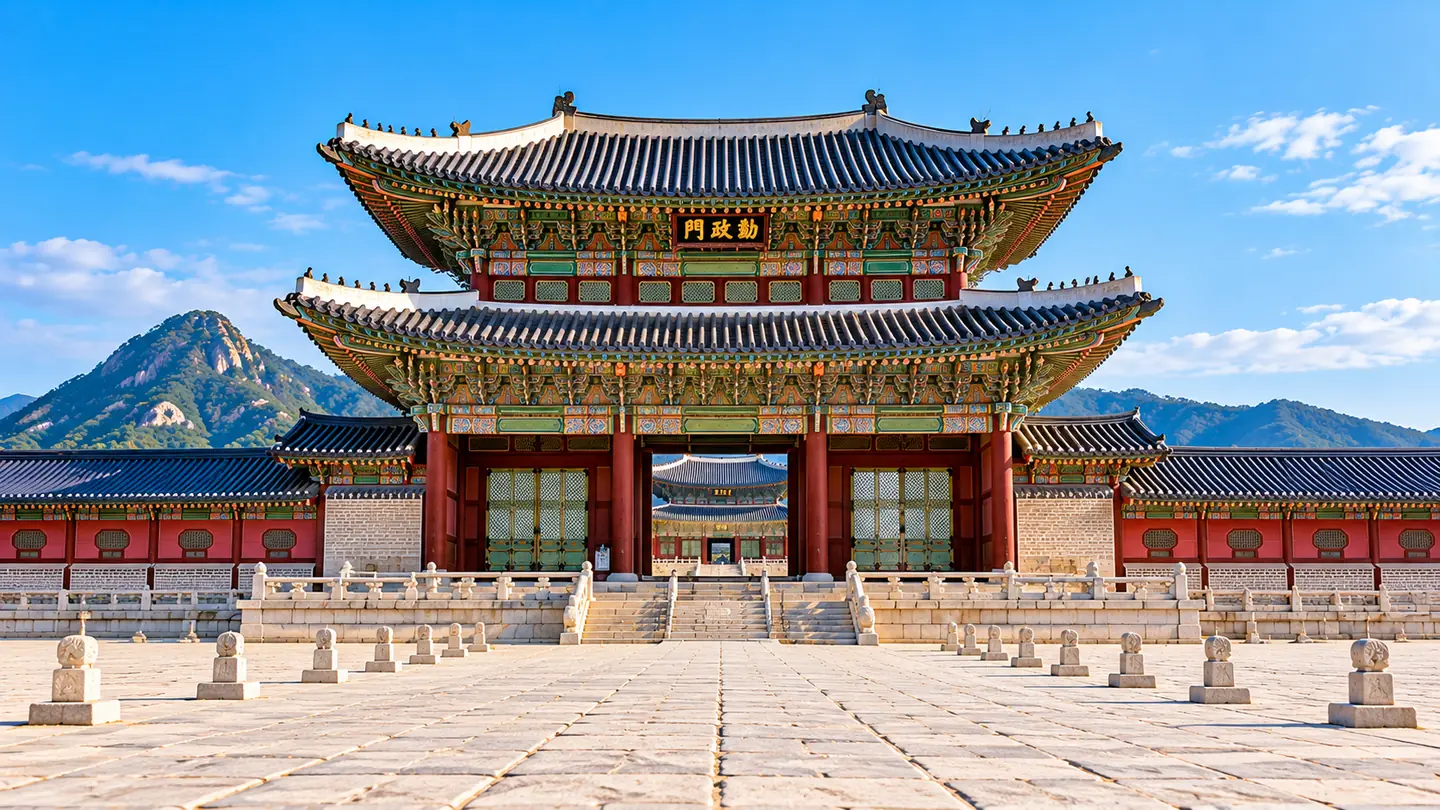
From Japan, a short flight brought me to Seoul, and I immediately felt the change in rhythm. Seoul is bold, energetic and full of character. I wandered through the grand courtyards of Gyeongbokgung Palace, where many visitors stroll in colourful traditional hanbok, and lost myself in the narrow lanes of Bukchon Hanok Village, between traditional wooden houses with views over the modern skyline. At Gwangjang Market, I sat down at a busy food stall for crispy mung bean pancakes and fresh kimbap, surrounded by locals chatting and laughing. In the evening, sharing Korean barbecue around a sizzling grill, I understood that in Korea, food is about much more than eating; it’s about being together.
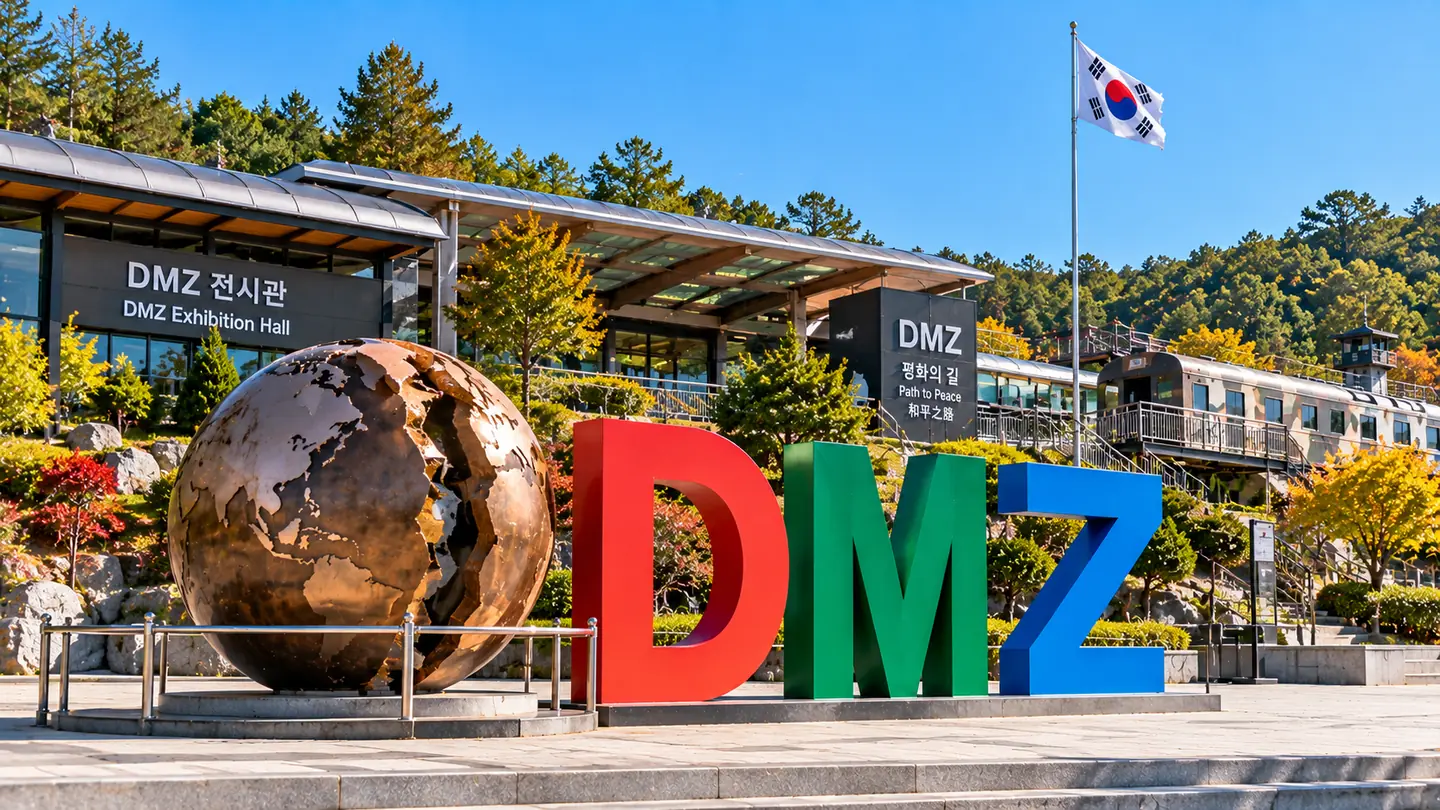
One of the most impressive experiences of the entire journey was my visit to the DMZ, the demilitarised zone between North and South Korea. Just an hour’s drive from the energy of Seoul, the atmosphere changes completely. I walked down into one of the infiltration tunnels dug beneath the border, and from the Dora Observatory, I looked out across the hills into North Korea. It felt strangely quiet, almost peaceful, yet the tension of history was everywhere. It’s a place that makes you reflect, and a visit I would recommend to anyone travelling to Korea.
After so many cities and so much history, I was ready for a bit of nature. Not far from the DMZ, in Paju, I found exactly that at Gamaksan Mountain. Its suspension bridge, the Chulleong Bridge, stretches around 150 metres across a deep green valley, high above the treetops. Walking across it, the bridge gently swaying beneath my feet, with the fresh mountain air and forested slopes all around me, felt like the perfect way to breathe and let everything I had experienced sink in. From there, a trail continues up the mountain, rewarding those who keep climbing with wide views over the surrounding hills.

Japan gave me calm, beauty and a deep respect for tradition. South Korea gave me energy, warmth and an openness that made me feel instantly welcome. Together, they created a journey full of contrasts, history and unforgettable moments.
For a route like this, I would recommend around two and a half to three weeks, so there’s time to enjoy each place without rushing. The most beautiful times to travel are spring, when the cherry blossoms bloom in both countries, and autumn, when the temples and mountains are framed by brilliant red and golden leaves.